Sumak Kawsay
Art
Our living tradition. The ministers, the sacraments, and the Andean cosmovision that holds our practice.
Living tradition
As a living culture, we hold within our ceremonies spiritual practices learned from elders from the Andes Mountains. These ceremonies are complex systems requiring dedication and careful administration from those who lead them.
The ministers of the church, known as Yachay or Kurakas, go through rigorous and long processes of learning. Their formation goes beyond ceremonial mastery. They make self-discovery a daily habit.
For traditional ministers, personal cultivation is part of spiritual practice. We come from ancient schools of thought that understand art as a tool for nurturing consciousness. We affirm that art cultivates culture, and it is our responsibility as guardians of the tradition to keep discipline.
Our Yachay and Kurakas are trained in ancestral practices and share them generously. They transmit these practices while holding to their ethical principles, serving as a living reference for the community.
Our tradition speaks of harmony among mind, emotion, body, and spirit. We believe in widening our universe with more possibilities, which leads to a more harmonious way of living together.
Our sacraments
Given our Andean heritage, our primary sacraments come from ancestral traditions. They are plants central to our altars, considered indispensable to our religious practice.
-
Tabaco
Sacred smoke
Companion in prayer and ceremonial cleansing. Holds the ceremonies of the altar of the Chakana.
-
Awakolla
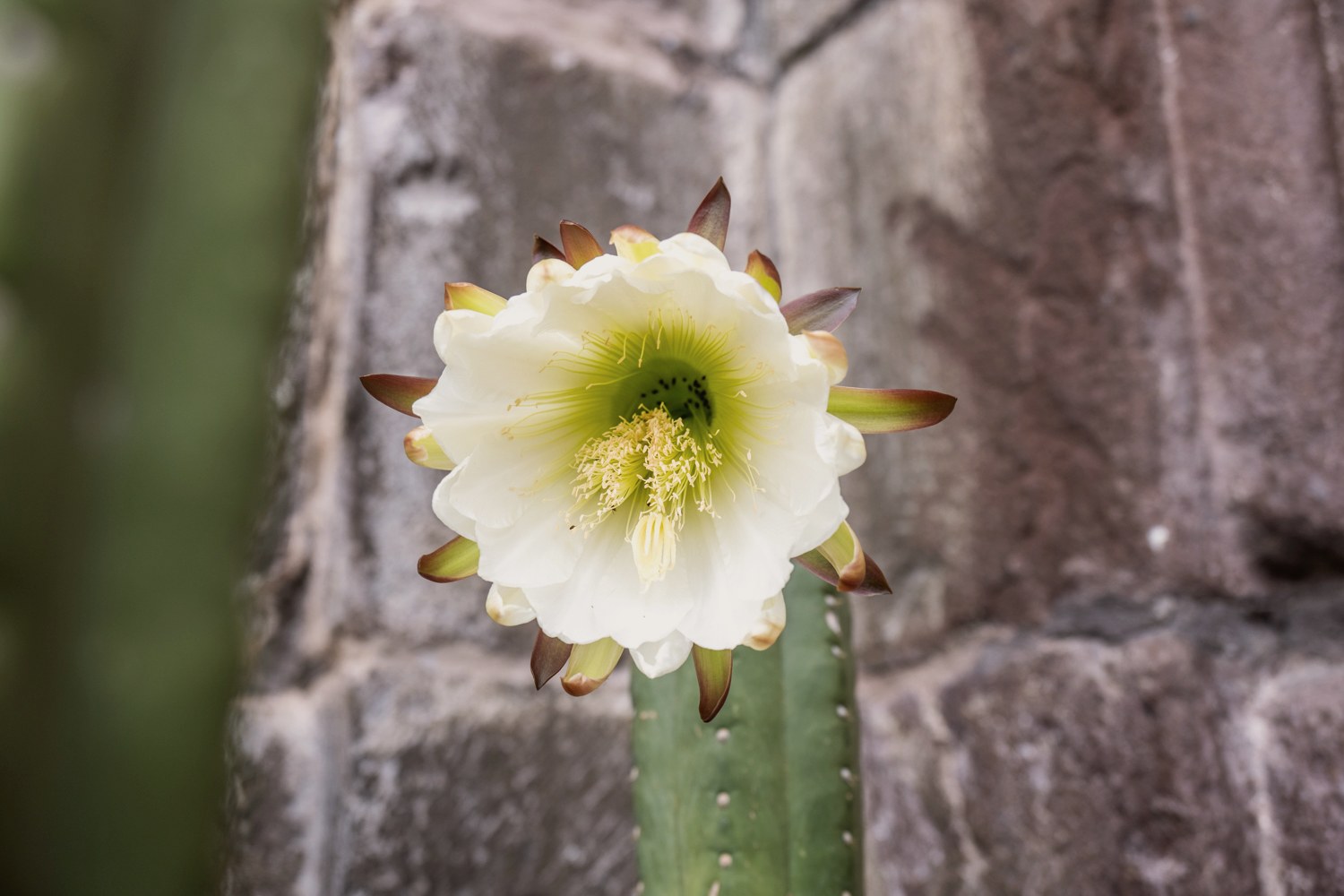
San Pedro
The sacred cactus that holds our ceremonies of communion. A tradition preserved by generations of Andean Yachay.
-
Maíz
Ancestral food
Our ancestral sacred food, present in offerings and celebrations.
These plants are tools of ancestral communion, not products of consumption. They are revered as sacraments and used in our ceremonies.